By the end of the 1980s, a sneaker could no longer just be comfortable. It had to be comfortable in a way you could see and name and point to, a visible piece of technology with a story attached. Nike had Air. Everybody needed an answer. The cushioning wars were on, and a brand without a tech story was a brand getting left behind.
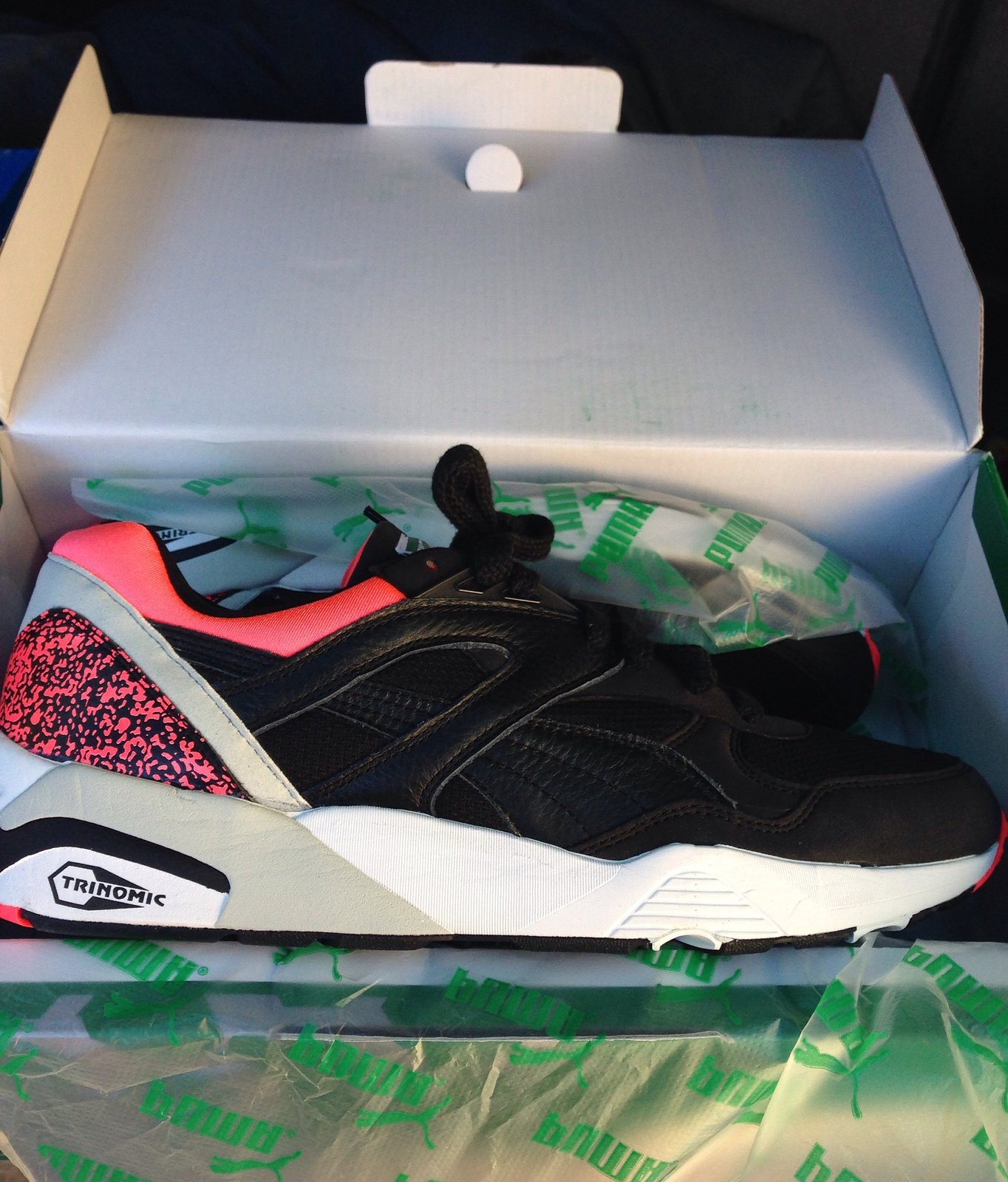
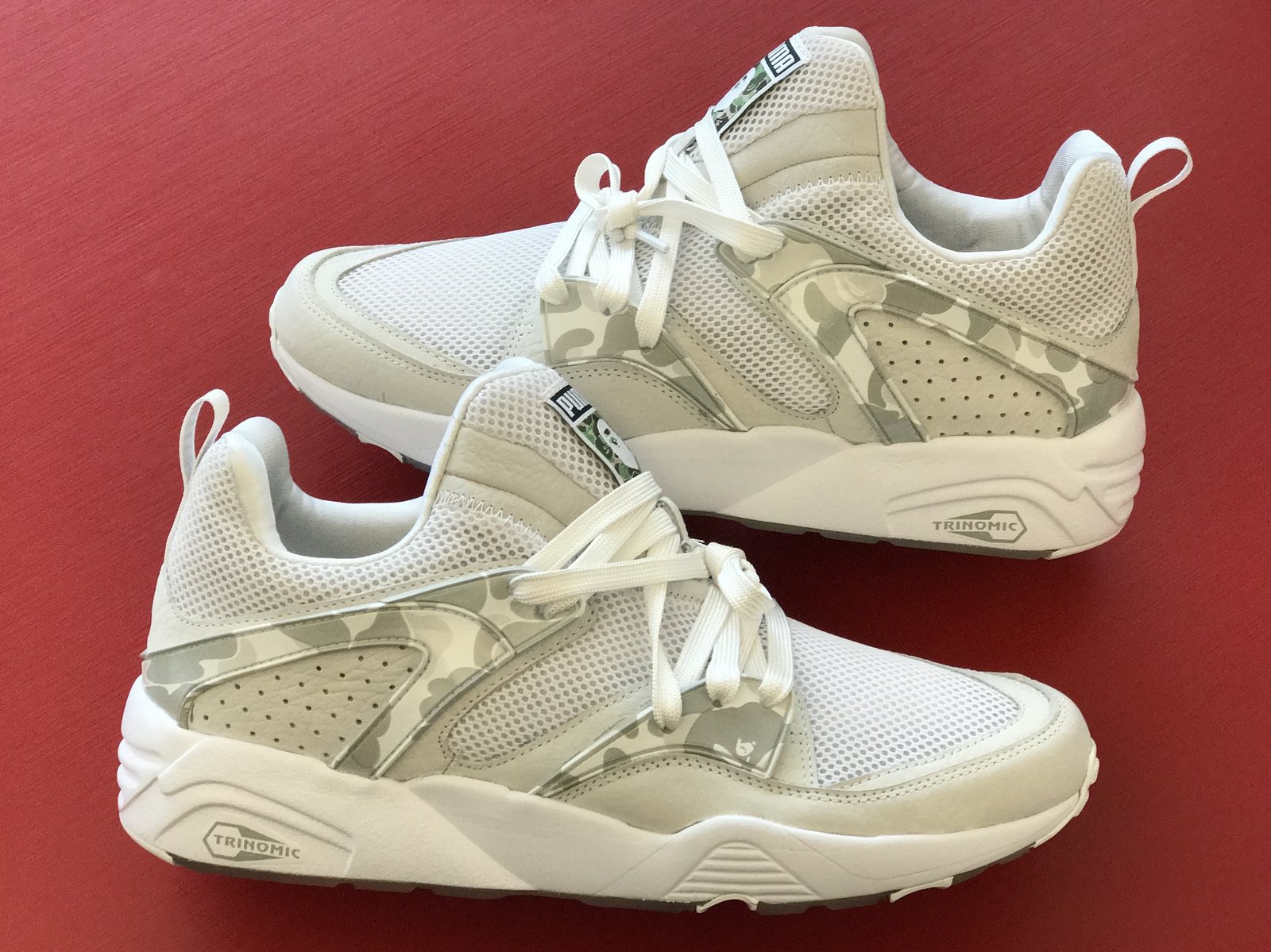
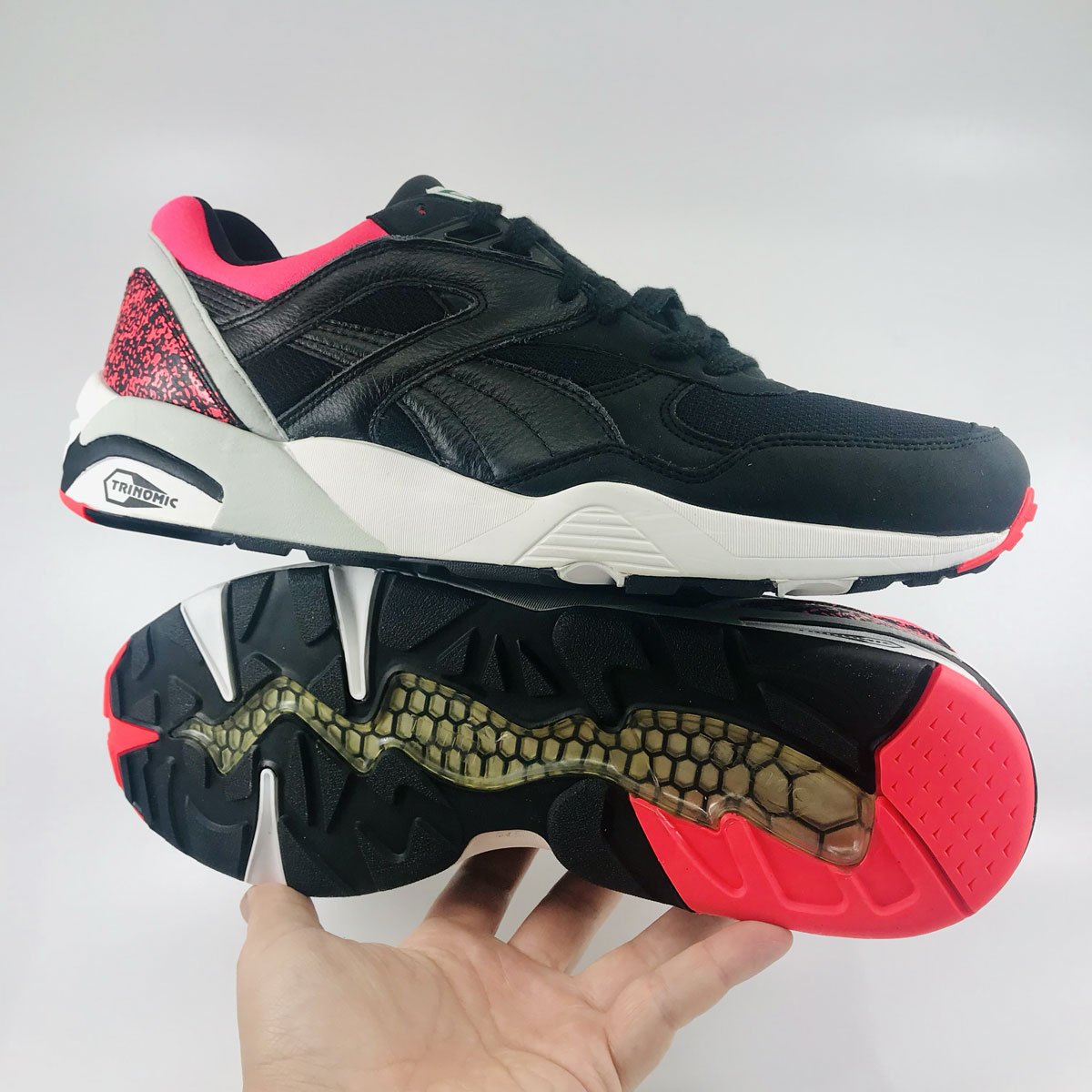
PUMA’s answer, in 1990, was Trinomic, and it was a genuinely good one. Instead of a bag of air, PUMA built a field of hexagonal cells into the sole, little honeycomb chambers that compressed under load and sprang back, spreading impact and returning energy. The shape was not arbitrary. The hexagon is what nature reaches for when it needs strength without weight, the structure of a beehive, the lattice of bone seen under a microscope, and PUMA borrowed it on purpose. The little triangle logo that came with it stood for the three things the system was supposed to deliver, cushioning, flexibility, and stability, all at once.
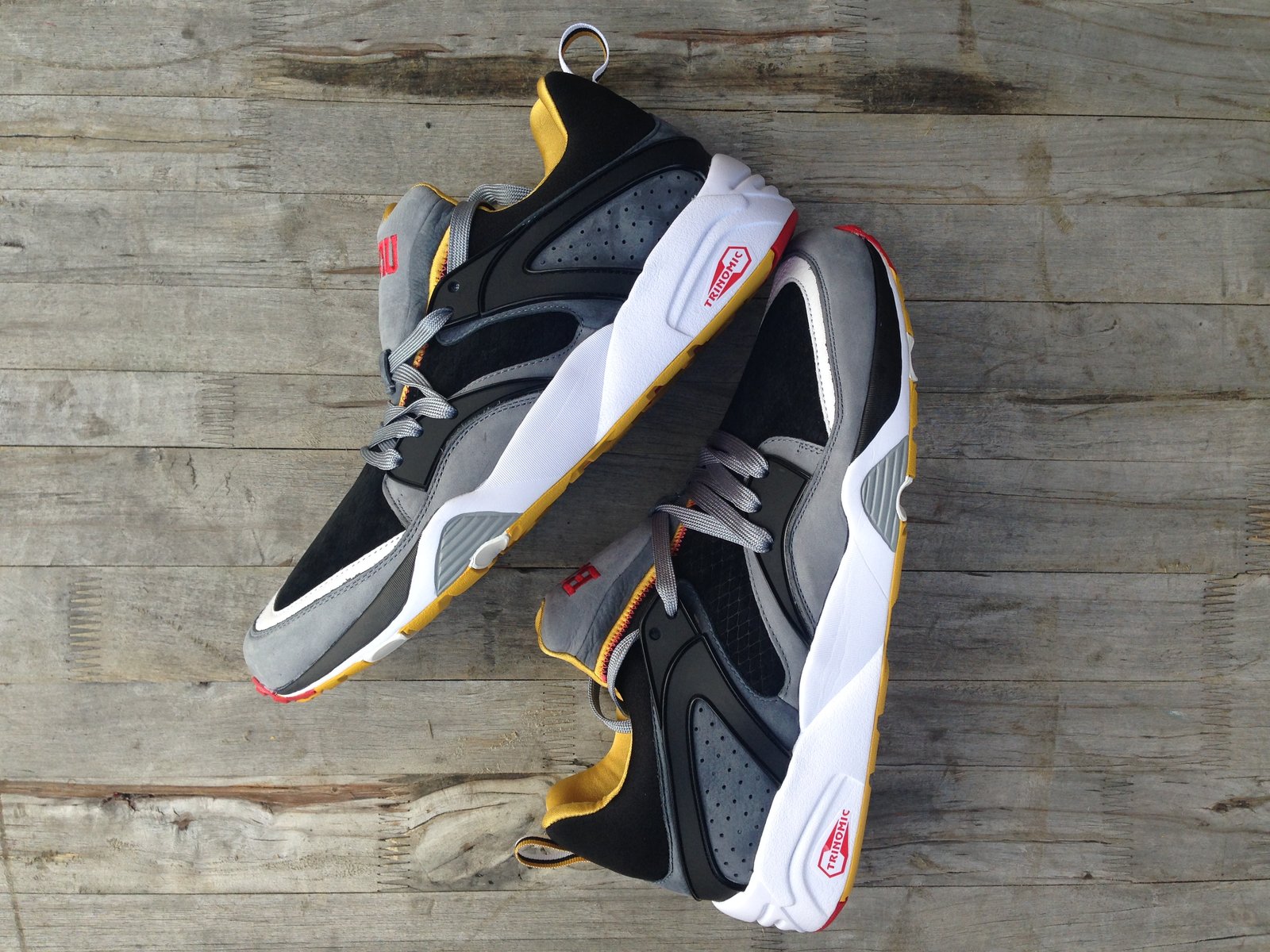
The shoe that carried it best was the R698. It was one of the first silhouettes built around Trinomic, it shared tooling with the laceless Disc Blaze, and it turned out to be the rare piece of early-1990s performance tech that also happened to be beautiful. Low, fast-looking, technical without being loud, the R698 was the kind of runner you could put real miles on and still want to wear off the track. It aged into a quiet classic, the shoe PUMA heads point to when they want to prove the brand belonged in the same conversation as the giants.
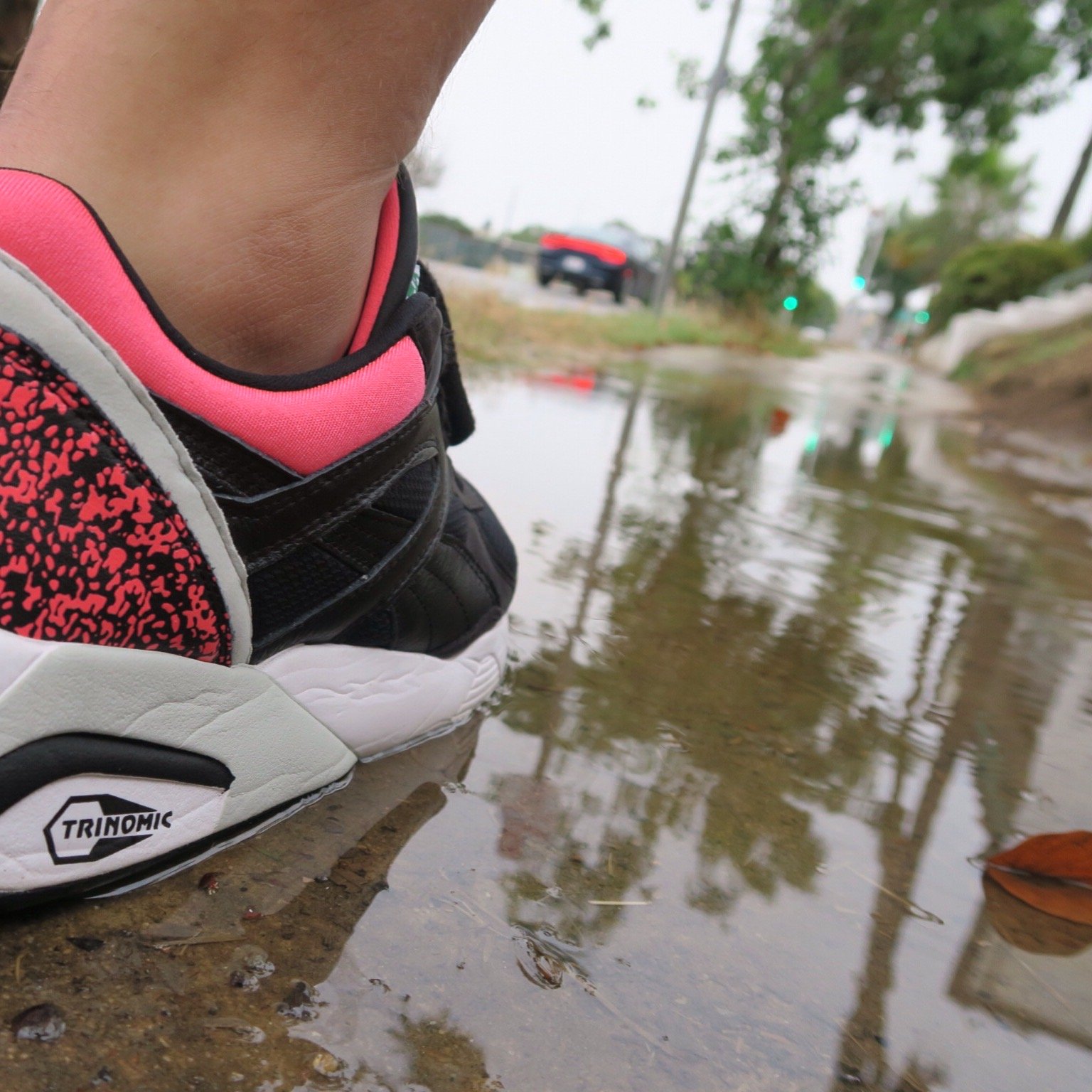
And that is the part worth sitting with. Trinomic was not a marketing idea dressed up as engineering. It was engineering, a real solution to a real problem, with a logic borrowed from the natural world and a look that nothing else on the wall could match. By any honest accounting it deserved to be a household name on the level of Air or Gel. It never quite got there. It did not lose because it was worse. It lost the way a lot of PUMA’s best work loses, on altitude, on noise, on the cultural gravity that a brand either has at a given moment or does not.
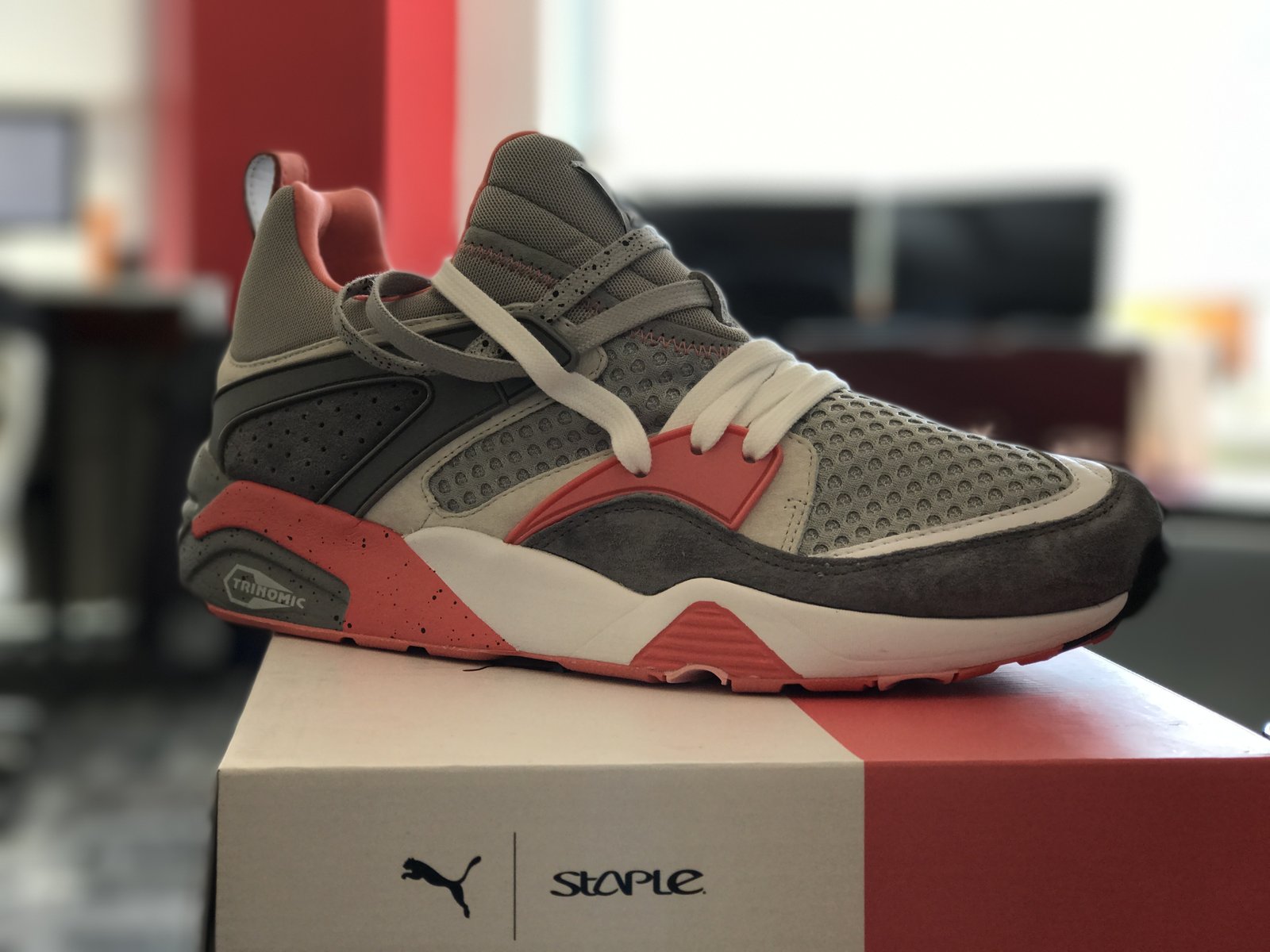
The R698 is the receipt that says the technology was worth more than the market gave it. Pick one up now and the thing still feels considered, still rides well, still looks like a confident answer to a question the whole industry was asking at the same time. In a decade that turned cushioning into theater, PUMA’s contribution was something quieter and, frankly, more honest, real engineering that happened to be gorgeous. The R698 is where you can still see it, and it is a better shoe than its reputation, which is usually a sign you are holding something that was simply ahead of the credit it got.