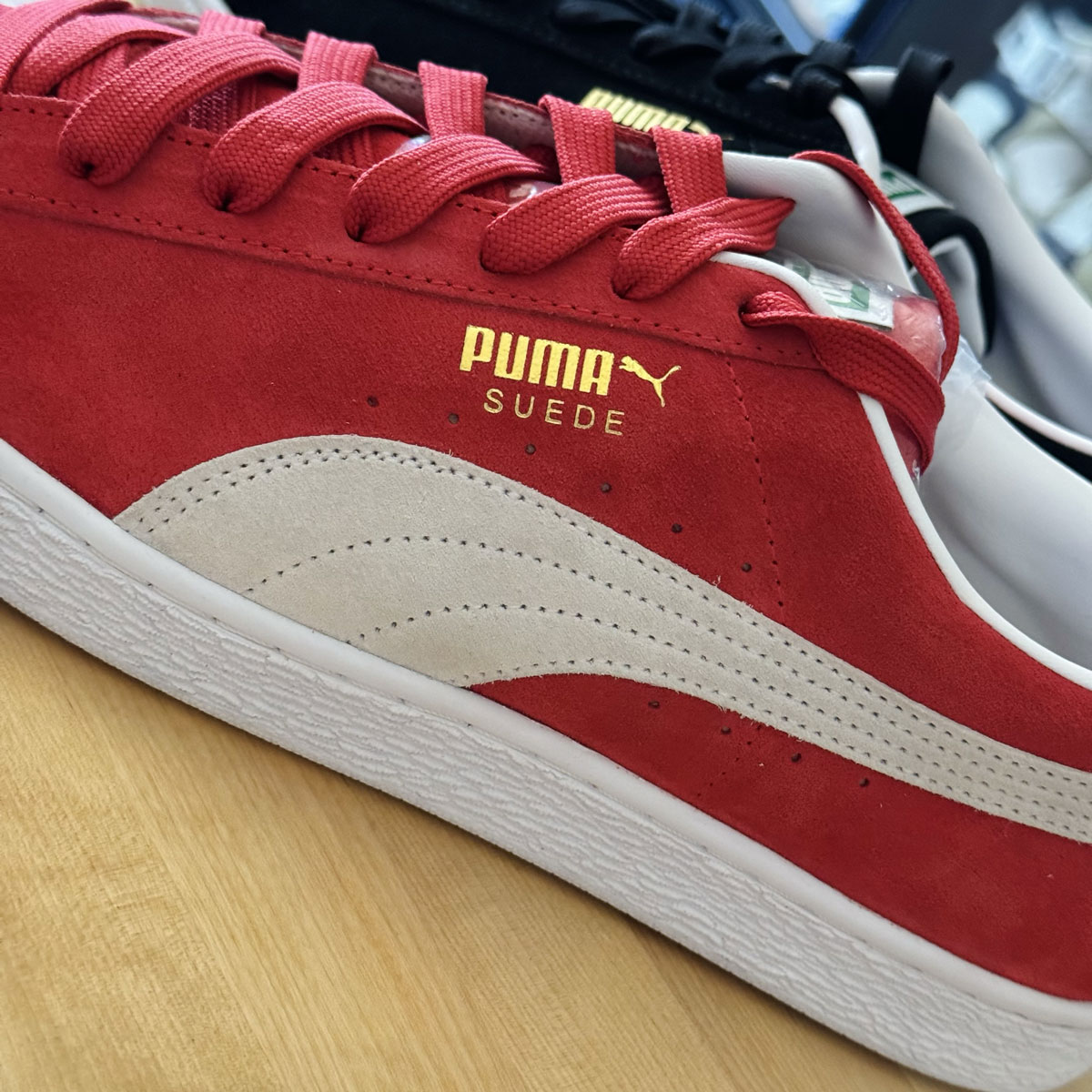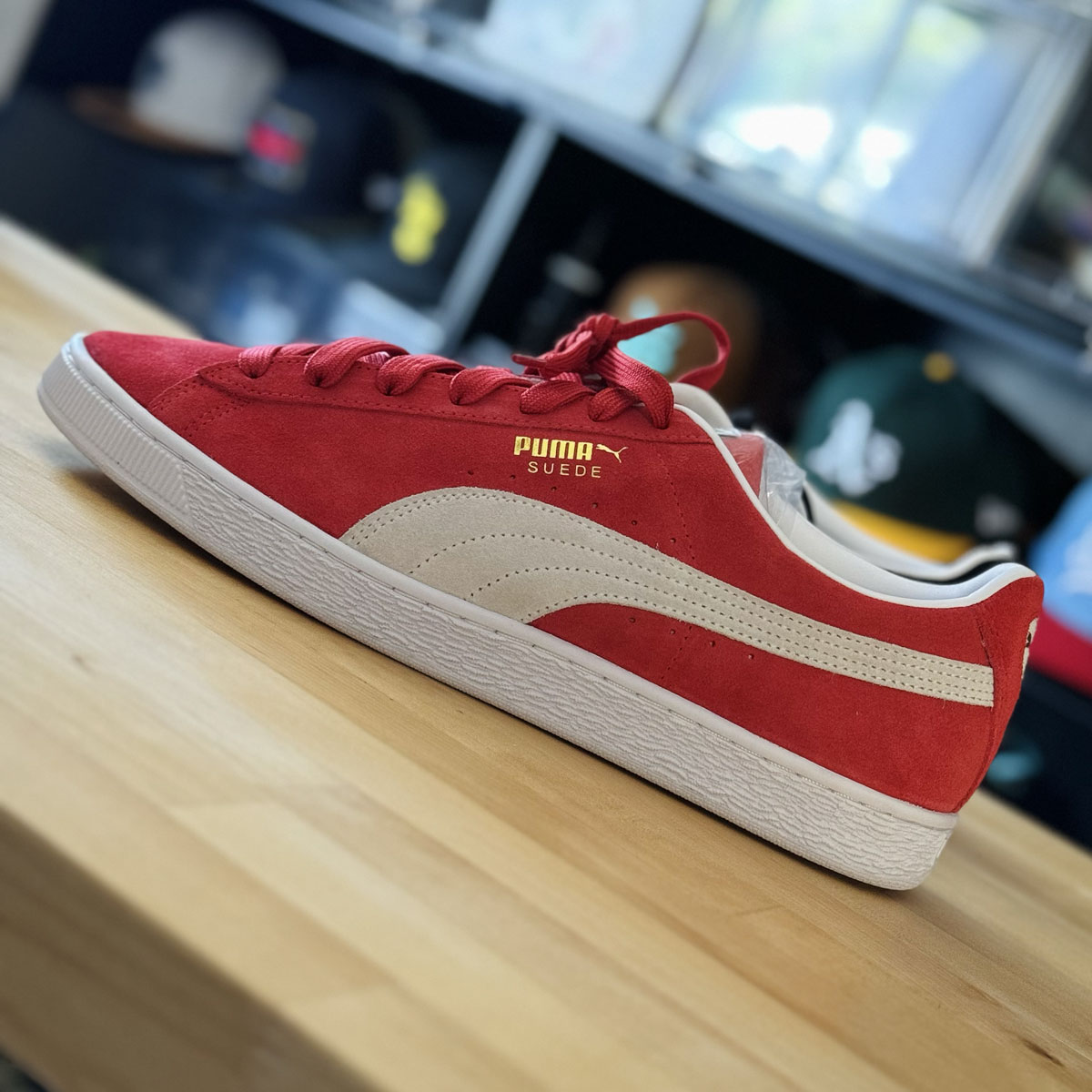
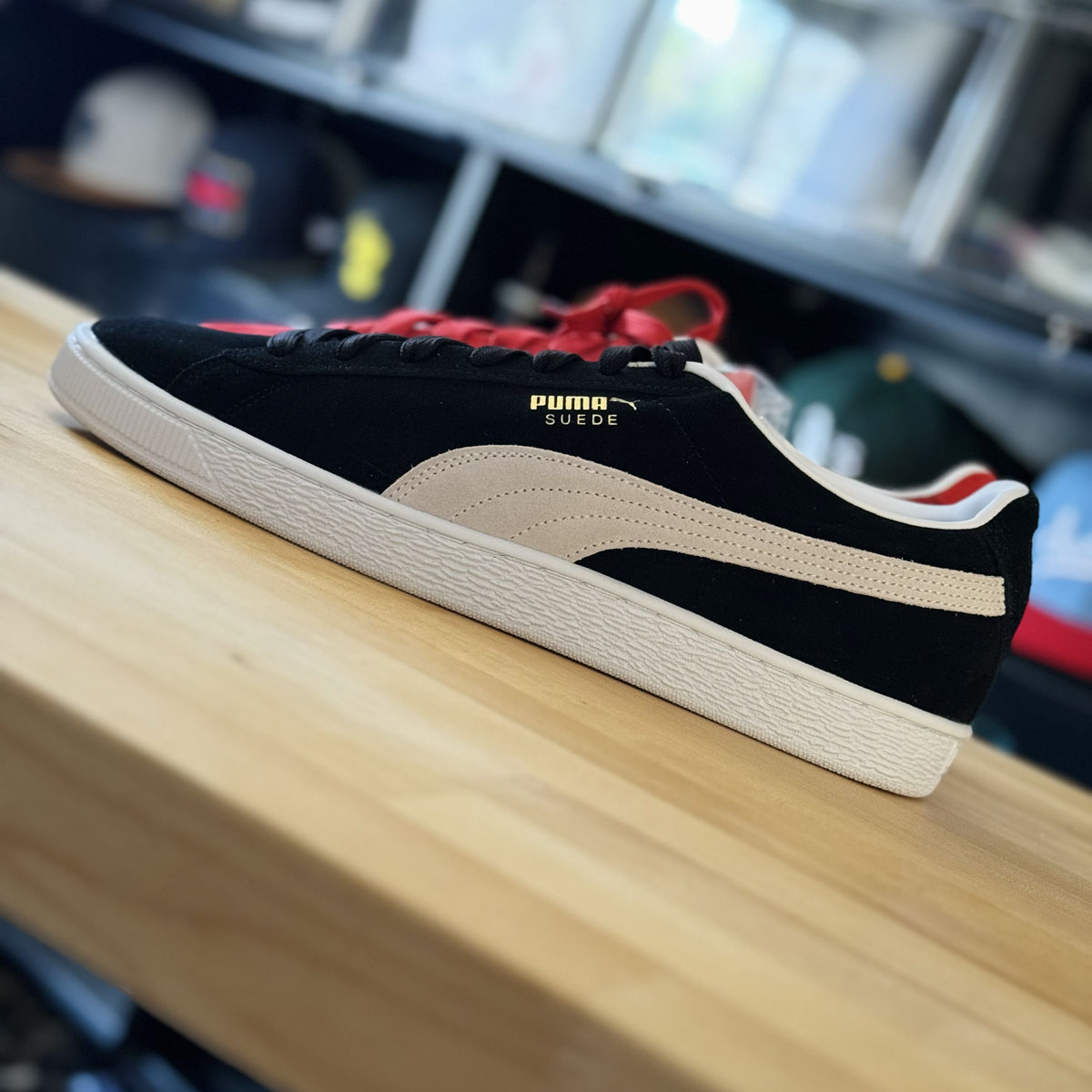
Everyone knows the PUMA Suede. The low suede silhouette, the fat formstripe, the shoe that has been on more feet across more decades and more subcultures than almost anything that is not a Chuck Taylor. What gets lost, every time, is that PUMA did not set out to make any of that. The Suede started life as an afterthought.
It arrived in 1968 under a different name, the Crack, built as a warm-up and casual shoe, the kind of low-stakes lifestyle product a sports brand makes to fill out a catalogue. Nobody in Herzogenaurach was drawing up a cultural landmark. They were making a soft shoe to wear around the track. The thing that turned it into history happened to it, not because of it, and it happened through people PUMA never planned for.
The first was Tommie Smith. In October 1968, at the Mexico City Games, Smith ran a 200-meter world record in PUMA spikes, and then he walked to the medal stand carrying a PUMA shoe in his hand, set it down, bowed his head, and raised a black-gloved fist. That image is one of the most important photographs of the twentieth century, a silent statement on race and human dignity that cost both Smith and John Carlos dearly. The shoe was there, in frame, attached forever to a moment of real courage. No brand could have engineered that. No brand should pretend it did.
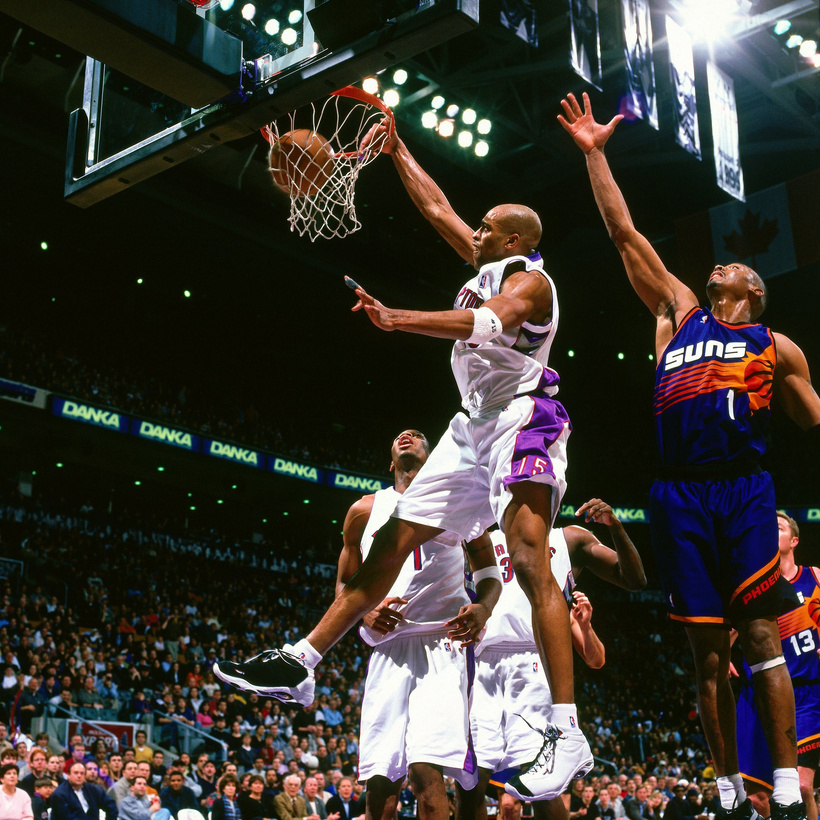
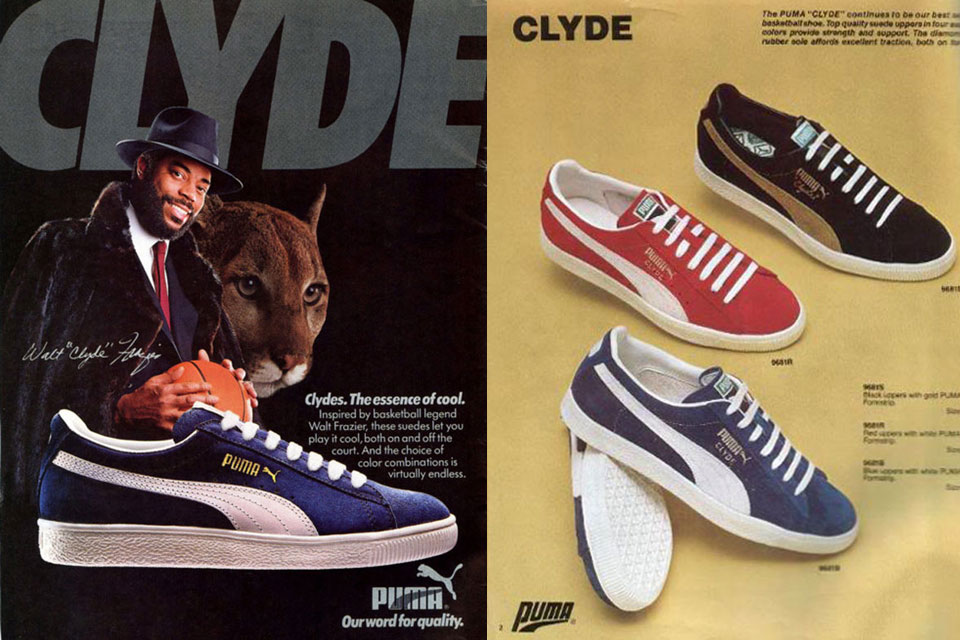
The second was a point guard with a sense of style. In the early 1970s PUMA signed Walt “Clyde” Frazier of the New York Knicks, and Frazier wanted two things, a low shoe he could actually play in and a fresh colorway for every game. Suede takes dye beautifully, far more easily than smooth leather, so PUMA built the shoe in suede to feed his vanity, and put his name on it. The Crack became the Clyde. A basketball player’s desire to look different every night is the reason the most famous suede sneaker in the world is made of suede at all.
The third was a city. By the late 1970s and into the 1980s, the Suede had become a staple on the streets of New York, and when breaking and hip-hop took shape there, the shoe came with it. The thick sole and the flexible upper made it good for spinning on cardboard. The look made it good for everything else. B-boys wore it in full tracksuits, and when Beat Street put that world on screen in 1984, it carried the Suede out to every other city that wanted in. Again, this was not a marketing plan. It was a community choosing a shoe and making it mean something.
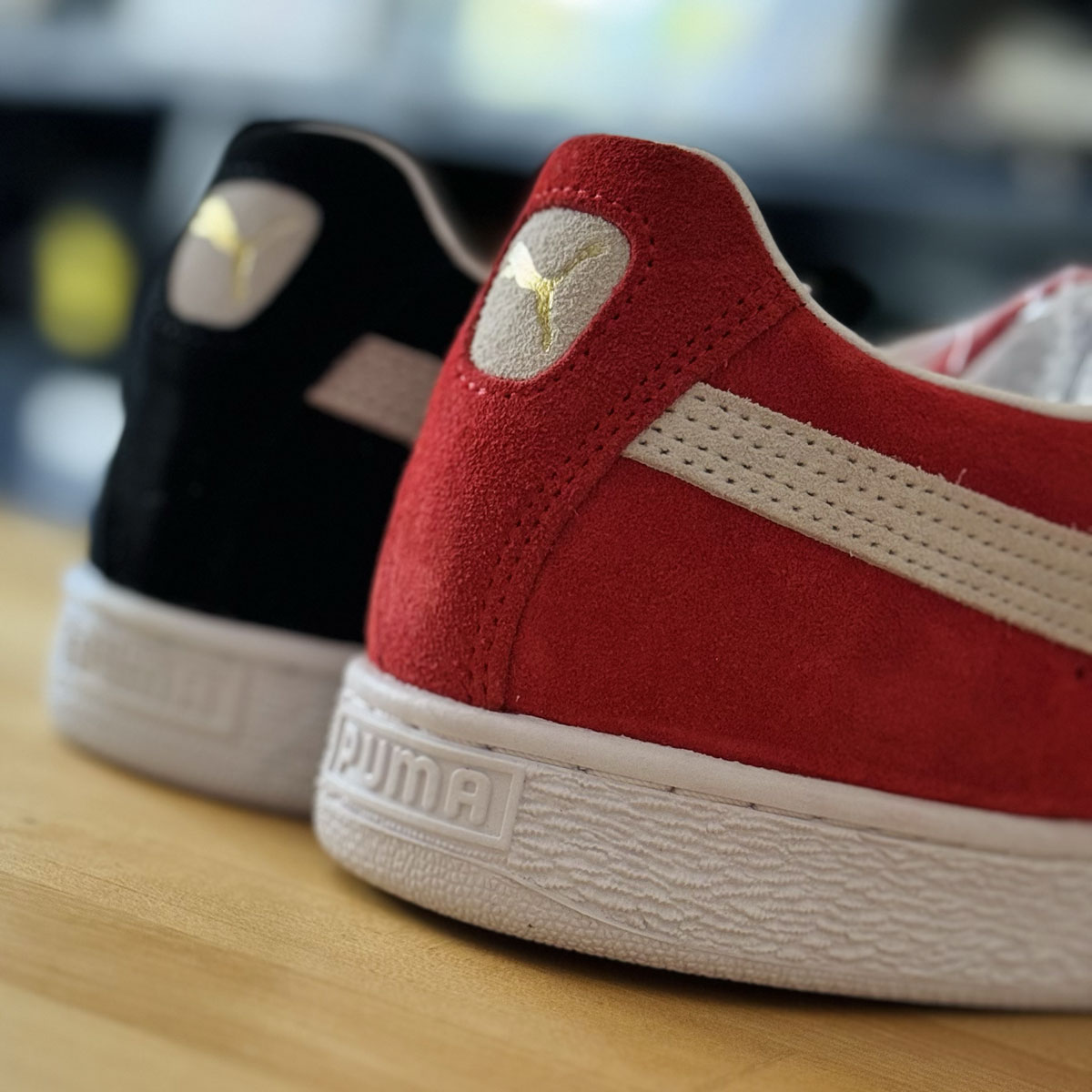
That is the whole point, and it is the part a product page can never tell you. PUMA did not make the Suede iconic. A sprinter made it brave, a point guard made it suede, and a generation of dancers and rappers made it a uniform. The brand’s smartest decision across fifty years was knowing when to get out of the way and let the people who actually loved the shoe decide what it was for.
It still works because of that. A shoe that earns its meaning from real people, in real moments, does not age the way a marketing campaign ages. The Suede was never supposed to matter. It matters more than almost anything PUMA designed on purpose. That is not an accident you can repeat. It is the kind of thing that only happens when a product is simple enough, and honest enough, to become whatever the people wearing it need it to be.